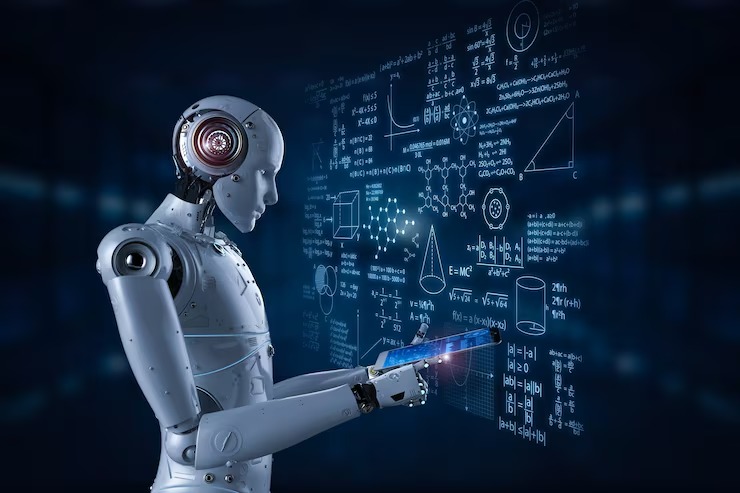
Artificial intelligence is no longer a distant concept reserved for research labs and science fiction. It is now embedded in the apps we use daily, the services we rely on, and the decisions businesses make. But behind the scenes of this transformation are several key technologies working together to help machines learn, interpret, and respond to the world around them.
This article explores how Machine Learning and Deep Learning, NLP and Text Analytics, Computer Vision and Image AI, and Data Engineering and Labeling are shaping the future of intelligent systems. More importantly, it looks at how these technologies are being developed in ways that feel more human and intuitive.
The Role of Machine Learning and Deep Learning
Machine Learning and Deep Learning are the engines that power most modern AI systems. Machine learning allows computers to learn from data without being explicitly programmed. It identifies patterns, makes predictions, and improves over time. Deep learning takes this a step further by using neural networks that mimic the human brain, enabling machines to understand complex relationships and abstract concepts.
These technologies are used in everything from fraud detection and recommendation engines to autonomous vehicles and medical diagnostics. What makes them powerful is their ability to adapt. They do not just follow rules they learn from experience.
How NLP and Text Analytics Help Machines Understand Language
Language is one of the most complex and nuanced forms of human expression. Natural Language Processing, or NLP, is the field of AI that focuses on helping machines understand and generate human language. Text Analytics is a related discipline that extracts meaning and insights from written content.
Together, NLP and Text Analytics allow machines to read emails, summarize articles, translate languages, and even detect sentiment. These technologies are used in chatbots, virtual assistants, and customer support systems to create conversations that feel less robotic and more responsive.
Computer Vision and Image AI in Everyday Life
If NLP helps machines understand language, Computer Vision and Image AI help them interpret the visual world. These technologies allow systems to recognize objects, faces, gestures, and scenes. They are used in everything from facial recognition and medical imaging to quality control in manufacturing and navigation for autonomous vehicles.
Computer Vision relies heavily on deep learning models that can identify patterns in pixels and learn to distinguish between different visual elements. Image AI goes further by enabling machines to generate or enhance images, making it useful in design, entertainment, and education.
What makes these systems feel human is their ability to see not just shapes and colors but meaning. A machine that can recognize a smile or detect fatigue is not just processing data it is engaging with emotion and context.
The Backbone of AI Data Engineering and Labeling
None of these technologies would work without data. Data Engineering and Labeling are the foundational processes that prepare information for machine learning. Data engineering involves collecting, cleaning, and organizing data so that it can be used effectively. Labeling adds context by tagging data with relevant information, such as identifying objects in an image or marking sentiment in a sentence.
These steps may seem technical, but they are essential for building AI systems that are accurate and trustworthy. Poor data leads to poor decisions. Thoughtful data engineering ensures that models learn from diverse, representative, and high quality sources.
Real World Applications Across Industries
The combination of Machine Learning and Deep Learning, NLP and Text Analytics, Computer Vision and Image AI, and Data Engineering and Labeling is driving innovation across sectors.
In healthcare, AI is helping diagnose diseases, predict patient outcomes, and personalize treatment plans. In finance, it is detecting fraud, automating compliance, and guiding investment strategies. In retail, it is enhancing customer experience through personalized recommendations and visual search.
Challenges and Ethical Dimensions
As powerful as these technologies are, they come with challenges. Bias in data can lead to unfair outcomes. Misinterpretation of language or images can cause errors. Over reliance on automation can reduce human oversight.
Ethical AI requires transparency, accountability, and inclusivity. Developers must ensure that models are trained on diverse data and that decisions can be explained. Privacy is another concern, especially when dealing with sensitive information in healthcare or finance.
The Road Ahead for Human Centered AI
The future of AI lies in systems that are not just intelligent but emotionally aware. Advances in multimodal learning are allowing machines to combine text, image, and audio inputs for richer understanding. Prompt engineering is helping guide models toward more accurate and context sensitive responses.
As these technologies evolve, the focus will shift from capability to connection. How can AI help us learn better, communicate more clearly, and make decisions with confidence? How can it reflect our values and adapt to our needs?
Conclusion
Artificial intelligence is becoming more than a tool. It is becoming a partner. Through Machine Learning and Deep Learning, NLP and Text Analytics, Computer Vision and Image AI, and Data Engineering and Labeling, we are teaching machines to see, think, and understand the world.
In the midst of all this complexity, there are teams quietly working to make these technologies feel more grounded and usable. Ment Tech, for instance, has been exploring how to bring together machine learning, text analytics, computer vision, and data engineering in ways that actually serve people. Rather than building isolated tools, they focus on stitching these capabilities into systems that respond to real-world needs whether that means helping a chatbot understand tone or enabling a model to interpret both images and text in context. It is less about flashy innovation and more about thoughtful integration.
 Site Title
Leave a comment