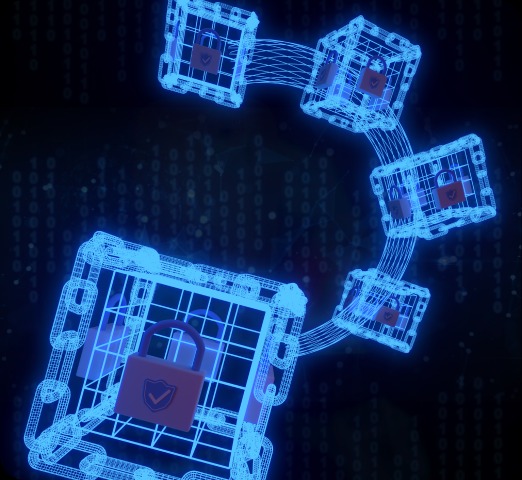
Bitcoin, the original cryptocurrency and the most secure blockchain network, was long regarded primarily as a store of value. But with the advent of innovations like Ordinals and Taproot, the narrative is shifting dramatically. The Bitcoin blockchain is now witnessing an unprecedented evolution enabling NFTs, smart contracts, token launches, and decentralized identity systems. At the center of this transformation lies the Ordinals NFT Minting Platform, BRC-20 Token Launch & Swap Infra, Bitcoin Wallets for Ordinals/BRC, Taproot Smart Contract Infra, and BNS Integration. These innovations are creating a vibrant ecosystem that pushes Bitcoin beyond its traditional boundaries and into a new era of programmability and creativity.
The Emergence of the Ordinals Protocol
The Ordinals protocol revolutionized how data can be stored and interacted with on the Bitcoin network. By allowing users to “inscribe” arbitrary data directly onto individual satoshis (the smallest unit of BTC), it introduced a powerful NFT-like mechanism on Bitcoin without requiring any sidechains or additional layers. This concept unlocked new creative opportunities, from digital art and collectibles to on-chain metadata and token standards.
Unlike Ethereum NFTs, which rely on smart contracts and external storage (often IPFS), Ordinals inscriptions are fully on-chain. This makes them more immutable and censorship-resistant, leveraging Bitcoin’s unmatched security. It also laid the groundwork for dedicated platforms to support NFT minting on Bitcoin.
Rise of the Ordinals NFT Minting Platform
To cater to the growing demand for Bitcoin-native NFTs, the Ordinals NFT Minting Platform was born. These platforms allow creators to mint NFTs directly on the Bitcoin blockchain using the Ordinals protocol. They simplify the process by abstracting the technical complexities of inscription, fee estimation, and Taproot address management.
Prominent platforms provide tools for bulk inscription, image compression, preview rendering, and even integration with Bitcoin wallets. Whether it’s generative art, music files, or unique on-chain metadata, creators now have the power to leverage the Bitcoin network for their digital assets. This shift is critical it allows Bitcoin to compete with Ethereum and Solana in the NFT space while maintaining its superior decentralization.
The Advent of BRC-20 Token Launch & Swap Infra
While Ordinals empowered NFTs on Bitcoin, it was the introduction of the BRC-20 token standard that catalyzed the token economy. BRC-20 tokens are fungible tokens built atop the Ordinals framework. Instead of using smart contracts, BRC-20 tokens are created via JSON inscriptions that define their attributes such as name, supply, and minting rules.
As BRC-20 adoption surged, there arose a need for reliable BRC-20 Token Launch & Swap Infra. These infrastructures handle everything from token deployment to decentralized swapping between assets. Similar to Uniswap on Ethereum, BRC-20 DEXes now allow for peer-to-peer token trading directly on the Bitcoin blockchain.
This infrastructure is a game-changer. It unlocks DeFi-like functionality without needing a separate smart contract platform. Users can mint, transfer, and trade BRC-20 tokens using their BTC wallets ushering in a permissionless financial layer on Bitcoin itself.
Secure and User-Friendly Bitcoin Wallets for Ordinals/BRC
A thriving ecosystem demands strong tooling for users. This is where Bitcoin Wallets for Ordinals/BRC come in. Traditional BTC wallets were never designed to handle NFTs or token metadata, so the rise of Ordinals and BRC-20s spurred the creation of purpose-built wallets.
These modern wallets offer seamless support for inscriptions, BRC-20 tokens, and Taproot addresses. Features include inscription previews, token balances, signing support for JSON inscriptions, and compatibility with marketplaces and minting platforms. Some wallets go a step further by offering built-in DEX interfaces, inscription minting, and gallery views for NFTs.
A few notable wallets leading this innovation have also incorporated multi-sig and hardware wallet support to enhance security a critical need as the value of Bitcoin NFTs and tokens continues to rise.
Unlocking New Logic with Taproot Smart Contract Infra
The Taproot upgrade, activated in 2021, was a turning point for Bitcoin. It introduced Schnorr signatures and enhanced scripting capabilities that laid the groundwork for complex contracts. The result was the development of Taproot Smart Contract Infra a layer of programmable logic that lives within Bitcoin’s native constraints.
While Taproot contracts are not as expressive as Ethereum’s EVM, they offer enough functionality to build payment channels, DAOs, time-locked contracts, and multi-condition logic. These can now be leveraged in tandem with Ordinals and BRC-20 tokens to create dynamic financial and creative applications.
What makes this infrastructure especially powerful is that it stays true to Bitcoin’s ethos: minimalism, auditability, and decentralization. Developers can use it to build automated trading mechanisms, NFT-based games, or even insurance primitives without compromising Bitcoin’s base layer integrity.
Identity and Naming with BNS Integration
As the ecosystem grows, human-readable identity systems become essential. Enter BNS Integration Bitcoin Name System. This feature allows users to register .btc domain-like names mapped to their Taproot addresses. Similar to ENS on Ethereum, BNS lets users replace long BTC addresses with easy-to-remember names for sending tokens, NFTs, or messages.
BNS Integration enhances usability and trust. When trading NFTs or tokens, seeing a familiar name instead of a random string adds a layer of assurance. Moreover, BNS names can be linked to on-chain profiles, social handles, or off-chain metadata, enabling decentralized identity systems on Bitcoin.
As more DApps and wallets support BNS, it could become the identity layer of the Bitcoin Web3 stack enabling smooth user onboarding and more intuitive interactions.
Real World Use Cases Emerging
- Art and Gaming: Artists are now choosing Bitcoin as the canvas for rare, immutable digital artworks. NFT-based games using Ordinals NFTs and BRC-20 tokens are being experimented with, offering a decentralized experience with Bitcoin-native assets.
- DeFi on Bitcoin: Thanks to Taproot Smart Contract Infra and BRC-20 Token Launch & Swap Infra, developers are building primitives like DEXs, lending markets, and liquidity pools on the Bitcoin base layer.
- Community Coins: Social communities and content creators are minting their own tokens via the Ordinals NFT Minting Platform and BRC-20 standards, driving deeper community engagement.
- Decentralized Identity: Through BNS Integration, users can build on-chain identities that persist across wallets, games, social platforms, and even physical goods via NFC integrations.
- Secure Storage: With Bitcoin Wallets for Ordinals/BRC, both casual and institutional users can securely manage NFTs, tokens, and contracts without compromising on Bitcoin’s security.
Challenges in the Ecosyste
While the growth is exciting, there are technical and social challenges to address:
- Scalability: Bitcoin was not built for high-throughput transactions, and inscription-heavy operations increase the pressure on blockspace.
- Fees: As demand grows, transaction fees can spike limiting accessibility for small users.
- Standardization: The rapid evolution of tooling means many standards are still experimental, and compatibility is an ongoing issue.
- UX Complexity: Despite improved wallets, the onboarding process can still be intimidating for newcomers, especially those unfamiliar with Bitcoin.
However, these challenges are not insurmountable. Layer-2 solutions, off-chain indexing, and continued innovation in smart contract abstraction are all helping alleviate bottlenecks.
The Future of Bitcoin as a Creative and Financial Platform
Bitcoin’s ecosystem is undergoing a renaissance. No longer just “digital gold,” it’s now becoming a programmable, interactive, and user-driven network. The innovations in the Ordinals NFT Minting Platform, BRC-20 Token Launch & Swap Infra, Bitcoin Wallets for Ordinals/BRC, Taproot Smart Contract Infra, and BNS Integration are positioning Bitcoin as a viable layer for decentralized applications, content creation, and financial products.
This is a remarkable shift. Bitcoin, once considered slow and rigid compared to other chains, is now reclaiming relevance not by copying others, but by innovating within its own unique constraints. Its core strengths security, immutability, and decentralization make it a solid foundation for a next-generation ecosystem built on trust.
As these tools mature and adoption grows, Bitcoin could become the backbone for a new class of decentralized experiences. The BTC network is evolving, and it’s happening faster than many thought possible.
Conclusion
The transformation of Bitcoin from a passive store of value to an active ecosystem for digital expression and decentralized finance is well underway. Technologies like the Ordinals NFT Minting Platform, BRC-20 Token Launch & Swap Infra, Bitcoin Wallets for Ordinals/BRC, Taproot Smart Contract Infra, and BNS Integration are no longer experimental they’re laying the foundation for a broader Bitcoin economy.
Whether you’re a developer, artist, trader, or enthusiast, the Bitcoin blockchain now offers tools that go far beyond holding and transferring BTC. It’s a new paradigm where creativity meets cryptography, and Bitcoin leads a decentralized future with both tradition and innovation at its core.
Ment Tech one of the instrumental in accelerating this evolution by providing end-to-end infrastructure for Ordinals NFT Minting Platform, BRC-20 Token Launch & Swap Infra, and Taproot Smart Contract Infra. Their tailored solutions and developer tools have empowered projects to seamlessly build on the Bitcoin ecosystem.
 Site Title
Leave a comment