• In the evolving world of artificial intelligence, the intersection of large language models, real-time interactions, and creative machine output has ushered in a transformative era. Businesses, developers, and product teams are now exploring advanced implementations of Prompt Engineering & Optimization, Adaptive AI Development, LLM Development, Conversational AI and Chatbot Development, and Generative AI Integration Services to build next-generation digital experiences.

    This article explores the core aspects of these five foundational pillars, how they contribute to intelligent system design, and how companies can benefit from harnessing their combined potential in practical use cases.

    Understanding the Role of Prompt Engineering & Optimization

    At the heart of any interaction with a generative AI model lies the Prompt Engineering & Optimization process. This technique involves crafting precise instructions, queries, or inputs that guide large language models to produce accurate, meaningful, and contextually relevant responses.

    The evolution of prompt engineering goes far beyond simple question formulation. It now involves layered structures, system instructions, chaining mechanisms, and prompt testing frameworks to fine-tune results. Optimized prompts reduce token wastage, enhance relevance, and boost model reliability—critical in use cases like legal document review, customer support automation, code generation, and research summarization.

    For example, companies building intelligent search engines or workflow automation tools rely heavily on optimized prompting to ensure user requests are interpreted correctly. Moreover, multi-modal models now require prompts that combine image, text, and audio instructions, making prompt design a multidisciplinary task.

    Adaptive AI Development for Real-Time Decision-Making

    Traditional AI systems are often rule-based or trained on static datasets, which can limit their responsiveness to real-world change. That’s where Adaptive AI Development comes in.

    This approach focuses on building systems that can dynamically respond to new data, user feedback, and environmental shifts. Adaptive AI learns continuously, updating its behavior based on both structured and unstructured data inputs. These models support continuous retraining and fine-tuning, allowing them to remain relevant even as patterns evolve.

    In sectors like finance, healthcare, logistics, and retail, adaptive AI is essential for anomaly detection, personalized recommendations, fraud prevention, and demand forecasting. For instance, an adaptive AI system can detect emerging fraudulent patterns in transaction data and instantly update its internal logic without requiring manual retraining.

    In software applications, adaptive AI powers features like smart email sorting, behavioral nudges in productivity tools, or AI-based quality checks in creative platforms.

    LLM Development: Customizing Intelligence at Scale

    The surge of large language models such as GPT, Claude, and Gemini has made LLM Development a critical area for AI-focused teams. While general-purpose models are powerful, businesses often require domain-specific intelligence, security compliance, and performance tuning, which makes LLM customization essential.

    LLM Development involves selecting foundational models, training or fine-tuning them on proprietary datasets, implementing guardrails, and evaluating performance. This enables organizations to develop AI models that understand their unique workflows, terminology, and goals.

    Healthcare firms may develop LLMs trained on clinical research papers to support medical reasoning. Legal firms can build models that specialize in contract analysis, while edtech platforms might fine-tune LLMs to generate adaptive learning paths for students.

    Another advantage is cost-efficiency. Organizations can train smaller-scale LLMs optimized for specific tasks, reducing the inference cost and latency associated with general-purpose APIs.

    A successful LLM Development strategy also incorporates human feedback loops, retrieval-augmented generation (RAG), and integration with databases or enterprise knowledge graphs.

    Conversational AI and Chatbot Development: Building Human-Like Interactions

    Conversational AI and Chatbot Development remains one of the most adopted applications of AI across industries. These systems are designed to engage in natural, multi-turn conversations, helping users find information, solve problems, or complete tasks.

    Earlier chatbot solutions relied on flow-based logic or simple NLP. Today’s conversational AI tools, built using LLMs and advanced NLU pipelines, offer contextual understanding, emotional intelligence, and multilingual capabilities. They can handle ambiguous queries, remember previous inputs, and personalize experiences.

    In e-commerce, conversational agents assist in product selection, order tracking, and returns. In enterprise IT, they power helpdesk automation. Healthcare chatbots can offer symptom checks and appointment scheduling, while HR bots streamline onboarding and policy queries.

    When building advanced Conversational AI and Chatbot Development systems, developers need to ensure seamless integration with back-end APIs, CRMs, and support platforms. Voice interfaces, emotion detection, and visual UI elements like cards or carousels further enhance user engagement.

    Training these bots also involves constant refinement, persona design, dialogue testing, and compliance checks—especially in sectors where accuracy and privacy are critical.

    Generative AI Integration Services: From Vision to Deployment

    To operationalize all the above technologies in real-world environments, organizations increasingly rely on Generative AI Integration Services. These services go beyond experimentation, helping businesses deploy generative AI at scale, integrated with their existing tools, processes, and infrastructure.

    From embedding AI into web and mobile apps to automating document generation and creative workflows, generative AI is becoming a key productivity driver. Design firms use it to generate digital assets, marketing teams generate ad copies or product descriptions, and software teams automate documentation.

    Generative AI Integration Services often cover:

    • API integration with platforms like OpenAI, Anthropic, Mistral, or Meta
    • Deployment of models in private cloud or on-prem environments
    • UI/UX design for AI-native products
    • Model orchestration, caching, and latency optimization
    • Enterprise-grade security and access controls
    • Evaluation metrics for generated outputs

    These services allow businesses to move fast while keeping control over quality, brand tone, and user experience. As regulation increases, integration partners also help ensure that ethical use, auditability, and transparency are built into every generative pipeline.

    Bringing It All Together: Intelligent Ecosystems

    Each of the five highlighted areas Prompt Engineering & Optimization, Adaptive AI Development, LLM Development, Conversational AI and Chatbot Development, and Generative AI Integration Services plays a distinct role in building intelligent, scalable, and responsive digital ecosystems.

    An e-learning platform, for example, might use adaptive AI to personalize content, LLM development to generate explanations, conversational AI for student interactions, prompt optimization for backend logic, and integration services to embed all these seamlessly into their app.

    Similarly, a fintech startup could use these technologies to automate investor support, generate reports, perform document KYC checks, and answer compliance queries using AI agents trained on internal policies.

    Organizations investing in this full stack of AI capabilities position themselves to unlock new efficiencies, improve customer satisfaction, and explore creative possibilities that were not feasible before.

    Future Outlook and Considerations

    As AI technologies mature, a few considerations will shape the roadmap for enterprises:

    • Privacy and compliance: Secure data handling, consent management, and audit logs will be essential, especially with adaptive and generative systems.
    • Multi-modal capabilities: Systems will move from text-only to combinations of text, image, audio, and video.
    • Model interoperability: Tools that allow switching between or combining different LLMs will increase.
    • Real-time inference: Speed and responsiveness will be differentiators in live applications.
    • AI agents and autonomy: Advanced use cases will move beyond chatbots to autonomous agents that can act, schedule, purchase, or coordinate tasks.

    Choosing the right mix of tools, models, and partners will determine long-term success in the AI era.

    Final Thoughts

    The journey to building intelligent applications is no longer just about training a model it’s about architecting an adaptive, scalable, and human-centered ecosystem. With strategic investment in Prompt Engineering & Optimization, Adaptive AI Development, LLM Development, Conversational AI and Chatbot Development, and Generative AI Integration Services, organizations can unlock breakthrough capabilities across industries.

    The real opportunity lies not just in adopting AI but in aligning it with business goals, user needs, and operational realities. And as these technologies continue to evolve, the businesses that embrace intelligent systems today will define the user experiences of tomorrow.

  • Bitcoin, the original cryptocurrency and the most secure blockchain network, was long regarded primarily as a store of value. But with the advent of innovations like Ordinals and Taproot, the narrative is shifting dramatically. The Bitcoin blockchain is now witnessing an unprecedented evolution enabling NFTs, smart contracts, token launches, and decentralized identity systems. At the center of this transformation lies the Ordinals NFT Minting Platform, BRC-20 Token Launch & Swap Infra, Bitcoin Wallets for Ordinals/BRC, Taproot Smart Contract Infra, and BNS Integration. These innovations are creating a vibrant ecosystem that pushes Bitcoin beyond its traditional boundaries and into a new era of programmability and creativity.

    The Emergence of the Ordinals Protocol

    The Ordinals protocol revolutionized how data can be stored and interacted with on the Bitcoin network. By allowing users to “inscribe” arbitrary data directly onto individual satoshis (the smallest unit of BTC), it introduced a powerful NFT-like mechanism on Bitcoin without requiring any sidechains or additional layers. This concept unlocked new creative opportunities, from digital art and collectibles to on-chain metadata and token standards.

    Unlike Ethereum NFTs, which rely on smart contracts and external storage (often IPFS), Ordinals inscriptions are fully on-chain. This makes them more immutable and censorship-resistant, leveraging Bitcoin’s unmatched security. It also laid the groundwork for dedicated platforms to support NFT minting on Bitcoin.

    Rise of the Ordinals NFT Minting Platform

    To cater to the growing demand for Bitcoin-native NFTs, the Ordinals NFT Minting Platform was born. These platforms allow creators to mint NFTs directly on the Bitcoin blockchain using the Ordinals protocol. They simplify the process by abstracting the technical complexities of inscription, fee estimation, and Taproot address management.

    Prominent platforms provide tools for bulk inscription, image compression, preview rendering, and even integration with Bitcoin wallets. Whether it’s generative art, music files, or unique on-chain metadata, creators now have the power to leverage the Bitcoin network for their digital assets. This shift is critical it allows Bitcoin to compete with Ethereum and Solana in the NFT space while maintaining its superior decentralization.

    The Advent of BRC-20 Token Launch & Swap Infra

    While Ordinals empowered NFTs on Bitcoin, it was the introduction of the BRC-20 token standard that catalyzed the token economy. BRC-20 tokens are fungible tokens built atop the Ordinals framework. Instead of using smart contracts, BRC-20 tokens are created via JSON inscriptions that define their attributes such as name, supply, and minting rules.

    As BRC-20 adoption surged, there arose a need for reliable BRC-20 Token Launch & Swap Infra. These infrastructures handle everything from token deployment to decentralized swapping between assets. Similar to Uniswap on Ethereum, BRC-20 DEXes now allow for peer-to-peer token trading directly on the Bitcoin blockchain.

    This infrastructure is a game-changer. It unlocks DeFi-like functionality without needing a separate smart contract platform. Users can mint, transfer, and trade BRC-20 tokens using their BTC wallets ushering in a permissionless financial layer on Bitcoin itself.

    Secure and User-Friendly Bitcoin Wallets for Ordinals/BRC

    A thriving ecosystem demands strong tooling for users. This is where Bitcoin Wallets for Ordinals/BRC come in. Traditional BTC wallets were never designed to handle NFTs or token metadata, so the rise of Ordinals and BRC-20s spurred the creation of purpose-built wallets.

    These modern wallets offer seamless support for inscriptions, BRC-20 tokens, and Taproot addresses. Features include inscription previews, token balances, signing support for JSON inscriptions, and compatibility with marketplaces and minting platforms. Some wallets go a step further by offering built-in DEX interfaces, inscription minting, and gallery views for NFTs.

    A few notable wallets leading this innovation have also incorporated multi-sig and hardware wallet support to enhance security a critical need as the value of Bitcoin NFTs and tokens continues to rise.

    Unlocking New Logic with Taproot Smart Contract Infra

    The Taproot upgrade, activated in 2021, was a turning point for Bitcoin. It introduced Schnorr signatures and enhanced scripting capabilities that laid the groundwork for complex contracts. The result was the development of Taproot Smart Contract Infra a layer of programmable logic that lives within Bitcoin’s native constraints.

    While Taproot contracts are not as expressive as Ethereum’s EVM, they offer enough functionality to build payment channels, DAOs, time-locked contracts, and multi-condition logic. These can now be leveraged in tandem with Ordinals and BRC-20 tokens to create dynamic financial and creative applications.

    What makes this infrastructure especially powerful is that it stays true to Bitcoin’s ethos: minimalism, auditability, and decentralization. Developers can use it to build automated trading mechanisms, NFT-based games, or even insurance primitives without compromising Bitcoin’s base layer integrity.

    Identity and Naming with BNS Integration

    As the ecosystem grows, human-readable identity systems become essential. Enter BNS Integration Bitcoin Name System. This feature allows users to register .btc domain-like names mapped to their Taproot addresses. Similar to ENS on Ethereum, BNS lets users replace long BTC addresses with easy-to-remember names for sending tokens, NFTs, or messages.

    BNS Integration enhances usability and trust. When trading NFTs or tokens, seeing a familiar name instead of a random string adds a layer of assurance. Moreover, BNS names can be linked to on-chain profiles, social handles, or off-chain metadata, enabling decentralized identity systems on Bitcoin.

    As more DApps and wallets support BNS, it could become the identity layer of the Bitcoin Web3 stack enabling smooth user onboarding and more intuitive interactions.

    Real World Use Cases Emerging

    1. Art and Gaming: Artists are now choosing Bitcoin as the canvas for rare, immutable digital artworks. NFT-based games using Ordinals NFTs and BRC-20 tokens are being experimented with, offering a decentralized experience with Bitcoin-native assets.
    2. DeFi on Bitcoin: Thanks to Taproot Smart Contract Infra and BRC-20 Token Launch & Swap Infra, developers are building primitives like DEXs, lending markets, and liquidity pools on the Bitcoin base layer.
    3. Community Coins: Social communities and content creators are minting their own tokens via the Ordinals NFT Minting Platform and BRC-20 standards, driving deeper community engagement.
    4. Decentralized Identity: Through BNS Integration, users can build on-chain identities that persist across wallets, games, social platforms, and even physical goods via NFC integrations.
    5. Secure Storage: With Bitcoin Wallets for Ordinals/BRC, both casual and institutional users can securely manage NFTs, tokens, and contracts without compromising on Bitcoin’s security.

    Challenges in the Ecosyste

    While the growth is exciting, there are technical and social challenges to address:

    • Scalability: Bitcoin was not built for high-throughput transactions, and inscription-heavy operations increase the pressure on blockspace.
    • Fees: As demand grows, transaction fees can spike limiting accessibility for small users.
    • Standardization: The rapid evolution of tooling means many standards are still experimental, and compatibility is an ongoing issue.
    • UX Complexity: Despite improved wallets, the onboarding process can still be intimidating for newcomers, especially those unfamiliar with Bitcoin.

    However, these challenges are not insurmountable. Layer-2 solutions, off-chain indexing, and continued innovation in smart contract abstraction are all helping alleviate bottlenecks.

    The Future of Bitcoin as a Creative and Financial Platform

    Bitcoin’s ecosystem is undergoing a renaissance. No longer just “digital gold,” it’s now becoming a programmable, interactive, and user-driven network. The innovations in the Ordinals NFT Minting Platform, BRC-20 Token Launch & Swap Infra, Bitcoin Wallets for Ordinals/BRC, Taproot Smart Contract Infra, and BNS Integration are positioning Bitcoin as a viable layer for decentralized applications, content creation, and financial products.

    This is a remarkable shift. Bitcoin, once considered slow and rigid compared to other chains, is now reclaiming relevance not by copying others, but by innovating within its own unique constraints. Its core strengths security, immutability, and decentralization make it a solid foundation for a next-generation ecosystem built on trust.

    As these tools mature and adoption grows, Bitcoin could become the backbone for a new class of decentralized experiences. The BTC network is evolving, and it’s happening faster than many thought possible.

    Conclusion

    The transformation of Bitcoin from a passive store of value to an active ecosystem for digital expression and decentralized finance is well underway. Technologies like the Ordinals NFT Minting Platform, BRC-20 Token Launch & Swap Infra, Bitcoin Wallets for Ordinals/BRC, Taproot Smart Contract Infra, and BNS Integration are no longer experimental they’re laying the foundation for a broader Bitcoin economy.

    Whether you’re a developer, artist, trader, or enthusiast, the Bitcoin blockchain now offers tools that go far beyond holding and transferring BTC. It’s a new paradigm where creativity meets cryptography, and Bitcoin leads a decentralized future with both tradition and innovation at its core.

    Ment Tech one of the instrumental in accelerating this evolution by providing end-to-end infrastructure for Ordinals NFT Minting Platform, BRC-20 Token Launch & Swap Infra, and Taproot Smart Contract Infra. Their tailored solutions and developer tools have empowered projects to seamlessly build on the Bitcoin ecosystem.

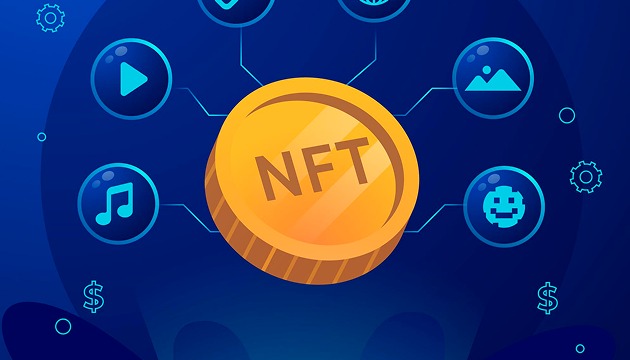
  • As the NFT ecosystem evolves beyond the hype, effective NFT marketing has become the cornerstone for success in this dynamic and competitive space. No longer can creators, game developers, and entrepreneurs rely solely on minting innovative digital assets. Strategic marketing, community building, and targeted promotion are now essential for project longevity and visibility.

    From art collectibles to expansive NFT-based games, and from exclusive memberships to real-world utility projects, NFTs are transforming industries. But with opportunity comes competition. Thousands of projects are launched every month, and cutting through the noise requires more than a pretty PFP or clever roadmap. It demands comprehensive NFT marketing services tailored for discovery, engagement, and long-term community retention.

    In this article, we will dive deep into the strategies and tools that make an NFT marketing campaign successful — from pre launch efforts to community retention and growth across platforms like Twitter, Discord, and NFT launchpads.

    Why NFT Marketing Matters in 2025

    NFTs (non fungible tokens) have evolved into multi utility assets embedded within gaming, real estate, art, music, identity systems, and more. However, despite this potential, even the most innovative NFT project can fail without visibility and traction. This is where NFT marketing services come into play enabling brands to gain attention, educate users, and build a strong foundation of loyal holders.

    Unlike traditional marketing, NFT marketing requires an understanding of Web3 culture, crypto native user behavior, and rapidly shifting community trends. Success in this space is about authenticity, transparency, and real-time engagement rather than polished ads or celebrity endorsements.

    Core Pillars of NFT Marketing

    To build a strong presence in the NFT ecosystem, brands must address five key pillars:

    1. Community Building

    Communities are the backbone of NFT projects. A passionate community can help a project go viral organically, defend its reputation during downturns, and advocate for its long-term vision. Platforms like Discord and Twitter are instrumental here, and specialized strategies for NFT discord growth and NFT twitter and thread growth are becoming standard.

    2. Content and Narrative

    Telling a compelling story is critical. Whether it’s the lore of an NFT game or the mission of a cause based NFT project, content that resonates emotionally can dramatically improve engagement. This includes Twitter threads, blogs, newsletters, YouTube explainers, and AMAs.

    3. Strategic Launch Planning

    The initial launch can make or break an NFT project. Coordinating a multi channel rollout with influencer collaborations, Discord engagement, launchpad listings, and live community events is critical. Effective NFT launchpad campaign management is essential to ensure smooth minting, distribution, and visibility.

    4. Influencer and Web3 PR

    Crypto influencers and Web3 journalists play a significant role in driving interest and credibility. An effective NFT marketing services agency will have deep relationships in this space to secure earned media, guest appearances, podcast interviews, and sponsored posts.

    5. Gamification and Engagement

    Interactive campaigns such as quests, giveaways, allowlist contests, and leveling systems on Discord can drive significant engagement. These tools help to build excitement pre mint and sustain attention post mint.

    NFT Game Promotion Campaign: A New Frontier

    One of the most exciting applications of NFTs is in blockchain gaming. NFTs power everything from characters and weapons to in game assets and virtual land. But the NFT gaming space is also among the most competitive, requiring tailored strategies for promotion.

    An NFT game promotion campaign requires multi level planning:

    • Pre Launch Teasers: Building anticipation with cinematic trailers, sneak peeks of gameplay, and developer diaries.
    • Influencer Gameplay Streams: Partnering with streamers and YouTubers to demo the alpha or beta version.
    • Incentivized Beta Access: Offering NFTs or tokens to early testers who provide feedback and share their experience.
    • Quest Based Marketing: Encouraging players to complete tasks like tweeting, joining Discord, or completing in game missions in exchange for rewards.
    • Launchpad Integration: Listing on gaming focused NFT launchpads to attract early investors and gamers.

    Through a successful NFT game promotion campaign, projects can build a fanbase even before the full release turning players into evangelists and token holders.

    NFT Twitter and Thread Growth Tactics

    Twitter remains the epicenter of Web3 conversation. It’s where alpha is dropped, partnerships are announced, and trends are born. For NFT projects, a strong presence on Crypto Twitter (CT) is non negotiable.

    Effective NFT twitter and thread growth involves:

    • Consistent Posting Schedule: Engaging content, memes, polls, and community updates posted daily.
    • Thread Storytelling: Long form tweet threads that explain the project’s vision, roadmap, and achievements.
    • Giveaways and Retweet Contests: Proven methods for boosting impressions and follower count.
    • Collaboration with CT Influencers: Retweets, mentions, and co hosted Spaces with relevant creators.
    • Twitter Spaces and AMAs: Live conversations that build trust and showcase the team behind the project.

    Growth on Twitter is not just about numbers. It’s about building an engaged, crypto native audience who will amplify your voice and support your roadmap.

    Driving NFT Discord Growth the Right Way

    Discord is where Web3 communities live, breathe, and evolve. It’s the main platform for live chat, announcements, community games, support, and governance discussions.

    However, Discord growth is not about mass invites or fake bots. Effective NFT discord growth is about real, engaged members who care about the project.

    Key tactics for Discord growth include:

    • Interactive Onboarding Bots: Gamify the experience for new users to learn and explore the community.
    • XP and Role Systems: Reward active members with custom roles, emojis, or whitelist access.
    • Contests and Challenges: Host meme contests, fan art submissions, lore writing, or voice chat trivia events.
    • Partnership Raids: Cross promotions with other NFT communities to bring in new members.
    • 24×7 Community Managers: Mods and staff who engage, answer questions, and keep the chat alive.

    By investing in meaningful NFT discord growth, projects create a home for their most loyal fans — a place where long term holders connect, collaborate, and thrive.

    Launch Success with NFT Launchpad Campaign Management

    Getting listed on a reputable NFT launchpad can provide massive visibility and credibility. Launchpads help NFT creators access early stage investors, get featured in newsletters, and leverage native token communities.

    But simply listing isn’t enough. Effective NFT launchpad campaign management ensures that the listing is part of a larger launch narrative.

    Key elements include:

    • Application Optimization: Crafting a strong pitch, visuals, and tokenomics presentation.
    • Community Sync: Aligning Discord, Twitter, and email updates to support the launchpad event.
    • Cross Channel Countdown: Coordinated countdowns, events, and pre mint hypes across all channels.
    • Post Launch Analytics: Monitoring minting stats, user retention, and tracking floor prices.

    By integrating NFT launchpad campaign management into your broader go to market strategy, you ensure maximum exposure and optimal mint results.

    Choosing the Right NFT Marketing Services

    With hundreds of NFT projects launching weekly, generic marketing won’t cut it. Tailored, data driven NFT marketing services offer a better return on investment.

    Look for services that include:

    • Customized Campaign Planning
    • KOL and Influencer Outreach
    • Social Media Management
    • Discord Setup and Growth
    • Launchpad and Exchange Coordination
    • Content Creation and Thread Strategy
    • Analytics and KPI Tracking

    A good NFT marketing partner won’t just promote your project. They’ll become an extension of your team, understanding your roadmap, mission, and audience to create a full stack go to market plan.

    Final Thoughts: From Visibility to Legacy

    The NFT world is no longer just about quick profits or viral art drops. It’s evolving into a sustainable ecosystem powered by creators, communities, and decentralized technologies. To succeed in this world, marketing must be native to the space, authentic to the culture, and flexible enough to adapt in real time.

    Whether you’re launching an NFT game, a generative art collection, or a Web3 membership DAO, a strong NFT marketing strategy can be the difference between fading out or becoming a cultural phenomenon.

    From NFT game promotion campaign execution to managing your NFT launchpad campaign, and driving NFT discord growth alongside NFT twitter and thread growth, it’s about creating an experience — not just a product.

    As we move forward, those who invest in community, storytelling, and meaningful engagement will rise above the noise. And with the right NFT marketing services, your project could be next in line for global recognition and lasting impact.

  • Blockchain is no longer just a buzzword it’s a catalyst for digital transformation across nearly every industry. From enabling decentralized financial systems to reimagining how we manage identity and trust, blockchain technology is rapidly evolving from experimental to essential. As organizations explore new ways to streamline operations, reduce fraud, and empower users, the need for robust blockchain development, strategic blockchain consulting, and innovative DeFi product development continues to grow.

    In this article, we break down the foundations of blockchain, examine its practical applications, and explore how it’s being used to solve real-world challenges particularly in areas like identity verification and KYC. Whether you’re a tech leader, entrepreneur, or investor, understanding blockchain’s potential is no longer optional it’s critical.

    What is Blockchain Technology?

    At its core, blockchain is a distributed ledger technology (DLT) that records transactions across a network of computers in a way that ensures data integrity, transparency, and immutability. Each record (or block) is linked to the previous one via cryptographic hashes, creating a “chain” of blocks that is nearly impossible to alter retroactively.

    Unlike traditional centralized systems where a single authority controls data, blockchain operates on a decentralized network. This means that no single entity has complete control, and consensus mechanisms (like Proof of Work or Proof of Stake) are used to validate transactions.

    Key characteristics of blockchain technology include:

      1. Transparency

      2. Security

      3. Immutability

      4.Smart Contracts

      The Evolution of Blockchain: From Bitcoin to DeFi

      The blockchain revolution began in 2009 with the launch of Bitcoin, a decentralized digital currency that introduced the world to peer-to-peer value transfer without intermediaries. Bitcoin proved that trust could be achieved not through centralized institutions, but through cryptography and consensus.

      Following Bitcoin, Ethereum expanded the possibilities of blockchain by introducing smart contracts self-executing code that automates processes. This paved the way for a new wave of decentralized applications (dApps) and use cases beyond payments, such as DeFi (Decentralized Finance), NFTs (Non-Fungible Tokens), and DAOs (Decentralized Autonomous Organizations).

      Today, DeFi product development has become a major driver of blockchain innovation, enabling open and permissionless financial services like lending, borrowing, trading, and yield farming all without traditional banks.

      Key Applications of Blockchain Technology

      Blockchain is no longer limited to cryptocurrencies. Here are some of its most impactful applications:

      1. Decentralized Finance (DeFi)

      One of the most disruptive applications of blockchain is in DeFi, where financial services are built on public blockchains like Ethereum, Solana, and Binance Smart Chain. DeFi platforms eliminate the need for intermediaries, offering users control over their assets and access to global liquidity.

      DeFi product development includes:

      • Decentralized exchanges (DEXs)
      • Lending and borrowing protocols
      • Stablecoins and algorithmic tokens
      • Staking and yield farming platforms

      These innovations are creating a more open, inclusive, and efficient financial ecosystem.

      2. Supply Chain and Provenance

      Blockchain brings transparency and traceability to complex supply chains. By recording every step of a product’s journey on a tamper-proof ledger, companies can ensure authenticity, reduce fraud, and enhance trust with consumers.

      Applications include:

      • Tracking food from farm to fork
      • Authenticating luxury goods
      • Monitoring pharmaceuticals
      • Managing logistics and shipping

      3. Identity Verification and KYC

      Blockchain for identity and KYC (Know Your Customer) is revolutionizing how personal data is managed. Traditional identity systems are siloed, prone to breaches, and often require redundant verification processes.

      Blockchain enables self-sovereign identity, where users control their data and share it selectively with trusted parties. Verified credentials can be stored securely on the blockchain, streamlining KYC processes for banks, healthcare providers, and governments.

      Benefits include:

      • Improved privacy and data ownership
      • Reduced identity fraud
      • Faster onboarding for financial services
      • Cross-border verification

      4. Healthcare and Medical Records

      Blockchain can create unified, secure medical records accessible across hospitals and providers. Patients can give selective access to their data while maintaining privacy, reducing administrative overhead and improving care coordination.

      5. Government and Public Sector

      Governments are exploring blockchain for applications like:

      • Digital voting
      • Land registry
      • Public records management
      • Transparent budgeting and spending

      These solutions enhance trust, reduce corruption, and promote accountability.

      The Role of Blockchain Development Services

      Implementing blockchain solutions requires specialized technical skills. This is where blockchain development services come in. These services provide the tools and expertise to build, test, and deploy decentralized applications and infrastructure.

      Key services include:

      • Custom smart contract development
      • dApp design and deployment
      • Token development (ERC-20, BEP-20, etc.)
      • Blockchain protocol integration
      • Wallet and exchange development

      Whether it’s building a new DeFi protocol or implementing blockchain in an enterprise setting, skilled developers are essential for success.

      The Value of Blockchain Consulting

      Before diving into development, organizations need strategic insights and feasibility analysis. Blockchain consulting firms play a crucial role in guiding businesses through the decision-making process.

      A good blockchain consulting firm will:

      • Identify relevant use cases
      • Assess ROI and implementation challenges
      • Recommend suitable blockchain platforms (e.g., Ethereum, Hyperledger, Polygon)
      • Ensure regulatory compliance
      • Develop a roadmap for integration

      By leveraging expert consulting, companies can avoid costly mistakes and launch solutions that align with their business goals.

      Challenges in Blockchain Adoption

      Despite its promise, blockchain adoption faces several hurdles:

      • Scalability: Many blockchains struggle to handle high transaction volumes efficiently.
      • Energy consumption: Some consensus mechanisms like Proof of Work are energy-intensive.
      • Regulatory uncertainty: Laws governing digital assets vary across jurisdictions.
      • User experience: Wallets and dApps often require technical know-how.
      • Interoperability: Bridging different blockchains remains complex.

      Innovations like Layer 2 solutions, proof-of-stake protocols, and cross-chain bridges are helping address these issues.

      Future Trends in Blockchain Technology

      The next wave of blockchain innovation will be driven by several emerging trends:

      1. Institutional Adoption

      Banks, asset managers, and corporations are exploring blockchain for payments, settlement, and asset tokenization. Central banks are also launching CBDCs (Central Bank Digital Currencies).

      2. Web3 and Decentralized Internet

      Blockchain is at the heart of Web3, a decentralized version of the internet where users own their data and digital assets.

      3. Tokenization of Real-World Assets

      Real estate, art, stocks, and even carbon credits are being tokenized on blockchains, making them more accessible and liquid.

      4. Cross-Chain Ecosystems

      New protocols like Polkadot and Cosmos are enabling interoperability between different blockchains, facilitating seamless value exchange.

      5. Privacy and Zero-Knowledge Proofs

      Zero-knowledge cryptography allows users to prove facts without revealing underlying data ideal for privacy-preserving applications in DeFi, identity, and voting.

      Why Blockchain Matters for the Future

      Blockchain is more than just a technological innovation it’s a trust infrastructure for the digital age. By eliminating intermediaries, securing data, and enabling peer-to-peer collaboration, it empowers users and organizations to build more transparent, fair, and efficient systems.

      From financial inclusion and digital identity to transparent governance and sustainable supply chains, the potential impact of blockchain is vast and profound.

      Conclusion

      Blockchain is not a passing trend it’s a foundational technology that’s quietly reshaping how value, identity, and information move across the internet. From decentralized banking to secure identity verification, its real-world applications are proving both powerful and practical. With the right blockchain development strategy and the support of expert blockchain consulting services, businesses can harness this technology to drive innovation, efficiency, and trust.

      As we look toward a future defined by decentralized systems and digital-first ecosystems, the organizations that embrace blockchain for identity and KYC, or dive into DeFi product development, will be the ones leading the next wave of disruption. Now is the time to explore what’s possible and start building the future with blockchain.

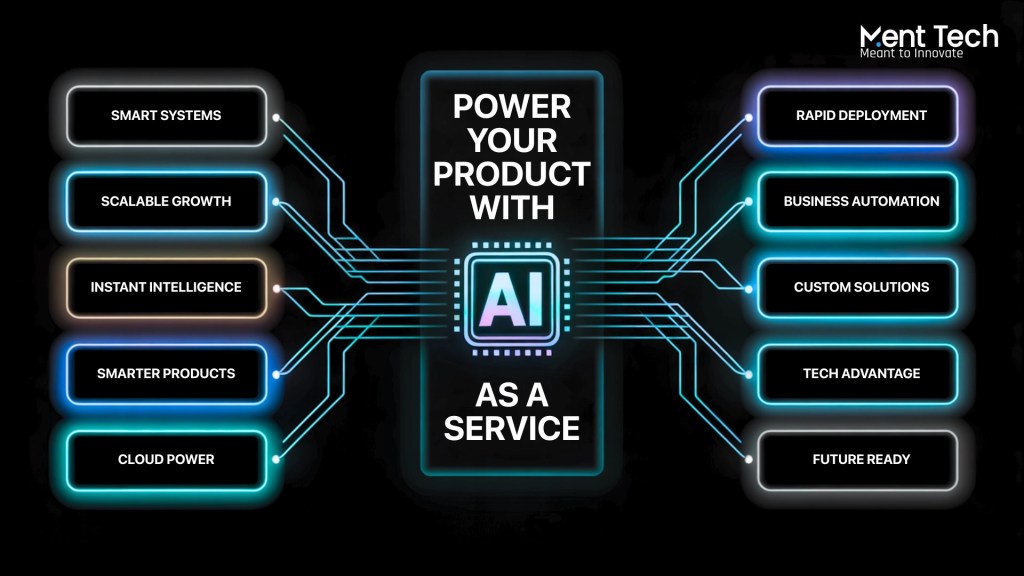
    1. Artificial intelligence is no longer confined to research labs or tech giants. In 2025, it’s available on demand just like electricity or internet with businesses tapping into AI as a Service (AIaaS) to power everything from marketing automation to personalized customer experiences.

      What once required millions in infrastructure and specialist talent can now be accessed through easy-to-use platforms offering ready-made AI services. Whether you’re enhancing language training with an AI language coach, delivering curated fashion recommendations via a virtual fashion stylist, or improving wellness with a personal fitness coach, AIaaS is enabling companies of all sizes to plug into the future fast.

      In this comprehensive guide, we explore how AIaaS works, where it’s heading, and how your business can harness its full potential in 2025 and beyond.

      What is AI as a Service

      AI as a Service is a cloud based offering that allows businesses to access and deploy AI tools and models on demand without having to build complex AI infrastructure from scratch. These services are offered by cloud providers and AI platforms who take care of everything from data storage and model training to ongoing maintenance and updates.

      AIaaS includes a wide range of offerings such as machine learning APIs, natural language processing tools, computer vision, predictive analytics and generative AI models. Businesses can subscribe to or pay per use for these AI services and integrate them into their existing systems with ease.

      In 2025, AIaaS is not just for tech giants. Thanks to intuitive interfaces, APIs and pre trained models, even small and medium enterprises are now able to harness the power of AI in areas like customer service, marketing, product design, human resources and logistics.

      Key Types of AI Services in AIaaS

      AIaaS comes with diverse service categories that cater to different business needs. Here are some of the most widely used ones:

      1. Machine Learning as a Service

      This includes platforms that offer tools to train, deploy and monitor machine learning models. Businesses use these models to make predictions, identify trends, and automate decision making. Providers often include drag and drop interfaces, prebuilt algorithms and model training environments.

      2. Natural Language Processing Services

      These services allow businesses to process and understand human language. They power chatbots, sentiment analysis tools, voice assistants, and language translation apps. AI language coach applications have become particularly popular, offering personalized feedback and fluency training to users across global enterprises.

      3. Computer Vision Services

      Computer vision enables machines to interpret and make decisions based on visual data. AIaaS offerings include facial recognition, image tagging, object detection and more. E commerce brands are increasingly leveraging computer vision for personalized shopping experiences through tools like the virtual fashion stylist.

      4. Conversational AI

      AIaaS platforms offer conversational agents capable of holding realistic dialogues with customers. These agents are used in support desks, sales outreach, virtual coaching and employee onboarding. The AI language coach and intelligent tutors are prime examples of how conversational AI is shaping modern learning and communication.

      5. Robotic Process Automation (RPA)

      By combining AI with RPA, businesses automate repetitive tasks like invoice processing, data entry, and report generation. This hybrid automation model is reducing costs while improving accuracy and efficiency.

      6. AI for Personal Wellness and Coaching

      Businesses in the wellness and fitness sectors are integrating AI for personalized coaching. The personal fitness coach powered by AI uses data from wearables, apps, and health history to create custom workout and nutrition plans. These AI services are widely adopted by fitness platforms, corporate wellness programs, and health apps.

      Use Cases of AIaaS Across Industries

      AI as a Service is revolutionizing various sectors by delivering targeted, cost effective solutions. Here are just a few transformative use cases:

      Healthcare

      Hospitals use AIaaS platforms for predictive diagnostics, patient monitoring, drug discovery and medical imaging. AI powered chatbots assist patients with appointment scheduling and post operative care.

      Education

      Online education platforms leverage AI services like intelligent tutoring systems, AI language coach apps, and personalized content recommendations to enhance learning outcomes and student engagement.

      Retail and Fashion

      Retailers use AIaaS for demand forecasting, dynamic pricing and visual merchandising. Virtual fashion stylist tools analyze body types, preferences and trends to deliver hyper personalized shopping experiences.

      Finance

      AIaaS tools help financial institutions with fraud detection, risk analysis, algorithmic trading and customer service automation. Natural language generation tools also assist in creating financial reports in real time.

      Human Resources

      HR departments are integrating AI services to screen resumes, assess candidate fit, and automate onboarding processes. Sentiment analysis tools monitor employee satisfaction through internal communication.

      Benefits of AI as a Service

      The appeal of AIaaS lies in its accessibility, flexibility and affordability. Here are some key advantages:

      Cost Efficiency

      AIaaS eliminates the need for upfront investment in infrastructure and data science talent. Companies only pay for what they use, making advanced AI accessible to startups and large enterprises alike.

      Scalability

      Cloud based AI services can easily scale with growing data and user demands. Businesses can start small and expand their usage as needed.

      Faster Time to Market

      With pre trained models and easy integrations, businesses can launch AI driven solutions much faster than if they built everything in house.

      Continuous Innovation

      AIaaS providers regularly update their models, ensuring that users always have access to the latest capabilities without managing updates themselves.

      Customization

      Advanced platforms offer options to fine tune models to specific business needs. Whether it’s training an AI language coach to fit a corporate training module or adjusting a virtual fashion stylist for regional preferences, customization is easier than ever.

      Challenges and Considerations

      While AIaaS provides tremendous benefits, businesses must navigate certain challenges:

      Data Privacy and Security

      Since AIaaS involves transferring data to cloud platforms, businesses must ensure compliance with data protection regulations and choose providers with strong security protocols.

      Integration Complexity

      Integrating AI services into legacy systems may require careful planning, especially in traditional sectors. Choosing providers with robust documentation and integration support is critical.

      Vendor Lock in

      Relying too heavily on a single AIaaS vendor can create dependency. Businesses should aim for modular architecture and interoperability to retain flexibility.

      Ethical AI

      Responsible AI practices are more important than ever. Businesses must ensure that the AI models they use are transparent, explainable and free of bias.

      How to Get Started with AIaaS

      Getting started with AI as a Service in 2025 involves a few key steps:

      1. Define Clear Objectives — Identify the specific business problems AI can solve.
      2. Evaluate Use Cases — Start with one or two high impact applications such as customer support automation or a virtual fashion stylist integration.
      3. Choose the Right Provider — Compare providers based on features, pricing, scalability, and compliance.
      4. Plan for Integration — Ensure compatibility with existing infrastructure and allocate technical resources for implementation.
      5. Monitor and Optimize — Continuously assess performance and refine AI models as needed.

      The Future of AIaaS

      The AIaaS revolution is democratizing artificial intelligence, removing traditional barriers to entry and giving every business from agile startups to global enterprises the tools to compete in a smart, data-driven world.

      By adopting cloud-based AI services, companies gain the flexibility to experiment, the scale to grow, and the intelligence to personalize. Whether it’s through an AI language coach that accelerates employee development, a virtual fashion stylist that elevates user engagement, or a personal fitness coach that brings health insights to individuals, the possibilities are endless.

      One thing is clear: in 2025, businesses that embrace AIaaS are not just keeping up they’re setting the pace

    2. As major global brands like Gucci and Shopify embrace cryptocurrency, the question arises why isn’t your crypto wallet doing more? In a world that is rapidly leaning into decentralized finance (DeFi) and blockchain integration, having a static, basic wallet just doesn’t cut it anymore. Whether you’re a consumer, a business, or a developer, the digital wallet you use should be more than just a place to store tokens it should be a gateway to a smarter, more integrated financial ecosystem.

      In this evolving digital age, companies like Ment Labs are stepping in with powerful crypto wallet development and blockchain development services to help individuals and businesses stay ahead of the curve. Let’s explore why the crypto wallet space is transforming, what makes a next-generation wallet essential, and how platforms like Ment Labs are enabling this future.

      The New Normal: Gucci and Shopify Accepting Crypto

      The adoption of cryptocurrencies by top-tier global brands is no longer news it’s reality.

      • Gucci, a leading name in luxury fashion, began accepting crypto in select stores across the U.S., showing their commitment to Web3 integration.
      • Shopify, a global e-commerce platform, allows merchants to accept cryptocurrency via integrations with crypto payment providers like BitPay and Coinbase Commerce.

      These decisions aren’t symbolic. They reflect a fundamental shift in consumer behavior and retail strategy. With over 420 million crypto users globally, according to Crypto.com’s latest research, businesses are realizing that crypto isn’t just an alternative it’s a necessity.

      So if global luxury and e-commerce brands are ready, what’s stopping your crypto wallet from offering more?

      What Should a Modern Crypto Wallet Do?

      Most basic wallets allow users to:

      • Store and send cryptocurrencies
      • View balances
      • Connect to dApps

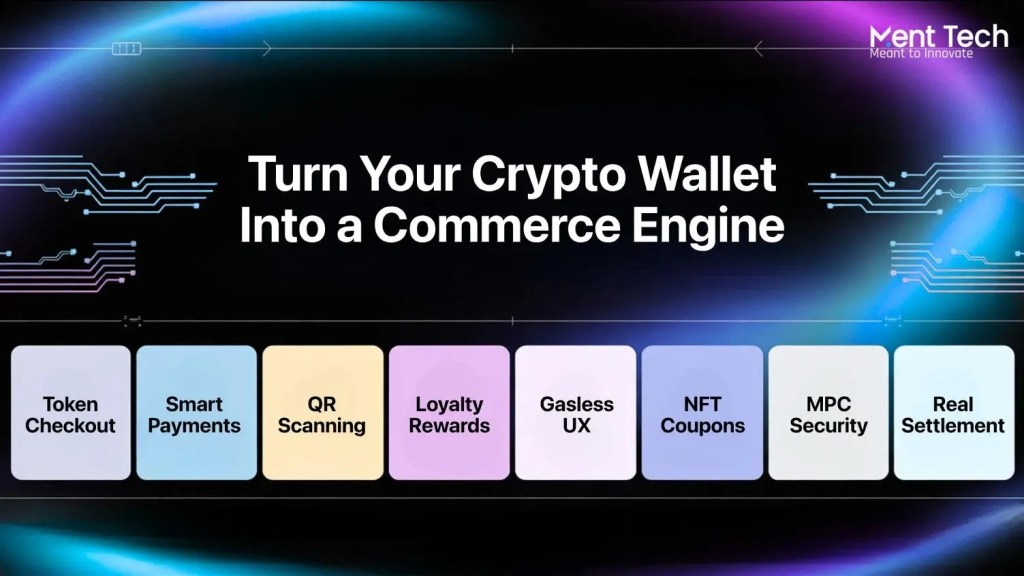
      But in 2025 and beyond, that’s no longer enough. A modern crypto wallet should provide:

      • Multi-chain support (Ethereum, Solana, BNB Chain, etc.)
      • Token swaps with minimal fees
      • DeFi integration for staking, lending, and borrowing
      • NFT management
      • Fiat on-ramps/off-ramps for easy buying and selling
      • Advanced security features like MPC (Multi-party Computation) or hardware wallet support
      • Web3 identity integration (like ENS or decentralized identifiers)
      • AI-based financial insights and analytics

      Your wallet should evolve into a digital banking dashboard tailored for Web3 finance.

      The Role of Crypto Wallet Development in This Shift

      This revolution in wallet capability doesn’t happen by chance. It takes advanced crypto wallet development led by experienced developers and blockchain strategists. Whether building a new wallet from scratch or enhancing an existing one, wallet development involves:

      • Blockchain integration: Supporting multiple chains and protocols
      • Security architecture: Implementing best practices for private key management, secure storage, and user verification
      • UI/UX design: Making crypto accessible through intuitive design
      • dApp connectivity: Allowing seamless DeFi and NFT access
      • Compliance and KYC integration: Especially for wallets handling fiat conversions

      As more users and businesses adopt crypto, demand for custom wallet solutions is skyrocketing especially wallets designed for specific industries like retail, gaming, healthcare, and real estate.

      Blockchain Development: The Infrastructure for Wallet Evolution

      Crypto wallet advancement is inseparable from blockchain development. Ment Labs also provides a full spectrum of blockchain consulting and implementation services, which include:

      • Smart contract development for DeFi, gaming, and NFT use cases
      • Token creation (ERC-20, BEP-20, and custom tokens)
      • Private and public blockchain setup
      • Consensus mechanism consulting
      • Cross-chain bridge development
      • Blockchain auditing and optimization

      These infrastructure services enable businesses not just to participate in the crypto economy but to shape it.

      Imagine a retail wallet that connects directly to a branded NFT marketplace, or a health tech wallet managing patient data via blockchain. This is the future Ment Labs is helping to build.

      Why You (and Your Business) Should Care

      Let’s face it   your wallet is more than just a vault. It’s a control center for your financial, social, and digital identity in the Web3 world. If your wallet can’t do more, you’re already behind.

      For businesses:

      • Accepting crypto payments is just step one.
      • A customized wallet allows you to control customer experience, data, and loyalty programs.
      • Tokenized incentives, NFT-based memberships, and DeFi rewards are becoming the norm.

      For individuals:

      • A feature-rich wallet puts control, privacy, and power back in your hands.
      • You’re no longer relying on banks or centralized apps to manage your digital wealth.

      And with blockchain development partners like Ment Labs, creating this future is not just possible it’s practical and profitable.

      How Ment Tech Labs Is Leading the Charge

      This is where Ment Tech Labs emerges as a pioneer in crypto wallet development and blockchain solutions. With a mission to accelerate the adoption of decentralized technologies, Ment Labs offers end-to-end services for individuals, startups, and enterprises looking to build custom crypto solutions.

      Key Wallet Development Services from Ment Labs:

      1. Custom Crypto Wallet Development
      • Build non-custodial or custodial wallets
      • Integrate multi-asset and multi-chain support
      • Include NFT and DeFi capabilities

      2. Web3 Integration

      • Enable wallet connectivity to dApps, staking platforms, and marketplaces

      3. Security and Compliance

      • End-to-end encryption, MPC wallet architecture, hardware wallet compatibility
      • Integration of AML/KYC tools for regulatory compliance

      4. Fiat On-Ramps

      • Seamless conversion between fiat and crypto within the wallet

      5. AI and Analytics

      • In-wallet analytics dashboards powered by machine learning for smart financial decisions

      With blockchain development expertise and industry-specific solutions, Ment Labs bridges the gap between Web2 familiarity and Web3 complexity, making it easier for businesses to launch crypto-friendly services that scale.

      Conclusion: Wallets Must Evolve. Ment Labs Can Help.

      As Gucci sells handbags for Ethereum and Shopify merchants accept Bitcoin, crypto is no longer “the future” it’s now. Your wallet should reflect that. Whether you’re a business aiming to integrate crypto payments or an entrepreneur with an idea for the next big Web3 product, your success depends on crypto wallet development that is secure, scalable, and future-ready.

      Ment Labs is at the forefront of this revolution offering cutting-edge wallet and blockchain development solutions tailored to the needs of tomorrow’s digital economy.

      So if Gucci and Shopify are already in the game, the question isn’t if your wallet should evolve. The real question is: What’s stopping you?

    3. Artificial Intelligence (AI) is no longer a futuristic concept in finance—it’s actively transforming how we trade, invest, and manage risk. Whether it’s in the crypto market, traditional equities, or forex, AI-driven platforms are enabling traders to automate strategies, minimize emotional bias, and make faster, data-backed decisions.

      From real-time signal generation to predictive analytics, these platforms integrate tools like machine learning, blockchain development, and crypto wallet compatibility to serve both retail and institutional investors. Below is our curated list of the 10 best AI trading platforms of 2025—starting with the innovation leader, Ment Tech.

      1. Ment Tech – The AI Trading Assistant for the Modern Trader

      Ment Tech has established itself as the go-to platform for AI-based trading, especially in the crypto market and forex. It delivers a cutting-edge trading assistant powered by machine learning, real-time analytics, and NLP-based news interpretation. The platform excels in providing low-risk, high-reward strategies with smart filters, drawdown control, and backtested automation—all while integrating seamlessly with leading crypto wallets and exchanges. Ment Tech also embraces tokenization, allowing future integration with tokenized real-world assets and digital securities.

      Best for: Traders seeking institutional-level AI tools with an intuitive retail interface

      2. CryptoHopper

      CryptoHopper enables traders to automate strategies using cloud-based crypto bots. Users can deploy AI-enhanced signals or customize their own strategies without coding. With compatibility across major exchanges and robust portfolio tracking, it’s an ideal solution for crypto traders looking for hands-off automation.

      Best for: Easy bot automation for crypto portfolios

      3. TradeSanta

      TradeSanta is a beginner-friendly crypto trading bot that simplifies automated strategies like Grid, DCA, and long/short modes. It’s perfect for retail users who want to get started with AI-based trading without the complexity.

      Best for: New crypto traders

      4. Pionex

      Pionex combines an exchange and a bot platform, offering over 15 free, built-in trading bots with some of the lowest fees in the crypto space. It’s widely used for Grid trading, Smart Trade strategies, and even Leveraged tokens—making it a well-rounded platform for automated traders.

      📌 Best for: Cost-effective automated crypto trading

      5. Tickeron

      Tickeron applies AI to both stock and crypto trading, delivering predictive pattern recognition and strategy simulation. It offers trading communities, AI-generated signals, and deep backtesting tools, making it a solid platform for swing and position traders.

      Best for: AI signal-based swing trading

      6. DeepTradeBot

      DeepTradeBot leverages deep learning to analyze historical and real-time data to forecast price movements. Its neural network-based trading engine is designed for accuracy and long-term profitability, though it may have a steeper learning curve for new users.

      Best for: Advanced technical traders and data scientists

      7. Numerai Signals

      Numerai is a decentralized AI hedge fund that crowdsources trading models from global data scientists. Participants submit predictions and earn rewards in the platform’s native cryptocurrency. It’s a pioneer in blending tokenization with community-powered machine learning.

      Best for: Data science professionals and quants

      8. Two Sigma

      Two Sigma is one of the largest and most successful AI-powered hedge funds globally. It uses massive data infrastructure and machine learning algorithms to identify pricing inefficiencies across multiple asset classes. Two Sigma is also active in blockchain development and quantitative research.

      Best for: Institutional-level AI research and execution

      9. XTX Markets

      A global algorithmic trading powerhouse, XTX Markets applies sophisticated AI to conduct billions in trades daily. With operations in both traditional and digital assets, its models use real-time market signals to achieve top-tier execution speeds and precision.

      Best for: High-frequency, multi-asset trading

      10. G-Research

      G-Research specializes in quantitative research and AI-led financial forecasting. Their proprietary AI models and secure data pipelines make them a key player in the institutional space. Though not open to retail traders, G-Research’s work influences the broader trading AI ecosystem.

      Best for: Proprietary quant-driven asset management

      Strategic Perspective: Where Ment Tech and Others Fit In

      The AI trading ecosystem can be divided into two core sectors: retail platforms and institutional quant firms. Ment Tech leads the way in democratizing AI trading by providing institutional-grade tools—like real-time signal detection, risk management automation, and smart strategy training—within an accessible user experience. Its support for crypto wallet integration, scalable bots, and future-ready tokenization makes it an essential platform for anyone in the crypto market or traditional asset space.

      Conversely, giants like Two Sigma, XTX Markets, and G-Research dominate the institutional space with high-frequency trading models and closed-loop AI research labs. Their tools, while powerful, are largely inaccessible to retail users. Ment Tech fills that gap—empowering individual traders and small funds to compete using similar AI capabilities without the institutional barrier.

    Design a site like this with WordPress.com
    Get started